


Quick Answer: Most retailers do not need a cannabis dispensary license to sell hemp-derived Delta 9 THC products that contain ≤0.3% Delta 9 THC by dry weight, as federally legalized under the 2018 Farm Bill. However, licensing requirements vary significantly by state – some require standard business licenses, others mandate cannabinoid retail permits, and a few restrict sales to licensed dispensaries only.
Delta 9 THC sales have expanded quickly across retail and online markets, but licensing rules still confuse many businesses. Understanding what’s actually required is the first step toward selling legally and confidently.
Key Takeaways
- Hemp-derived Delta 9 THC (≤0.3% by dry weight) is federally legal and generally does not require a marijuana dispensary license to sell
- Marijuana-derived Delta 9 THC requires state-licensed dispensary operations and cannot be sold through standard retail channels
- 21 states have enacted restrictions on hemp-derived cannabinoid products, with licensing requirements ranging from basic business permits to specialized cannabinoid retail licenses
- State-specific compliance determines whether additional licenses, food permits, or age-verification systems are mandatory beyond federal hemp legality
- 2026 federal changes will redefine hemp to include total THC (Delta 9 + THCa), potentially requiring license restructuring – work with compliant suppliers like Alpha Brands to stay ahead of regulatory shifts
Delta 9 THC Licensing: The Critical Distinction
The question “do you need a license to sell Delta 9” depends entirely on one critical factor: where the Delta 9 THC comes from. This distinction determines whether you need an expensive, heavily regulated dispensary license or can operate under standard business licensing.
Hemp-derived Delta 9 THC products containing no more than 0.3% Delta 9 THC by dry weight are federally legal under the 2018 Farm Bill, which removed hemp from the Controlled Substances Act. This means hemp-derived Delta 9 can cross state lines, be sold online, and is generally subject to standard business regulations rather than marijuana-specific licensing. A 10mg Delta 9 gummy derived from hemp is federally compliant if the concentration remains at or below 0.3% of the product’s total dry weight – even though the dose itself is substantial.
Marijuana-derived Delta 9 THC, by contrast, remains a Schedule I controlled substance under federal law regardless of THC concentration. Selling marijuana products requires state-issued dispensary licenses with stringent background checks, facility requirements, inventory tracking systems, and application fees often exceeding $50,000. These licenses are only available in states that have legalized medical or recreational marijuana.

Federal Hemp Law: What the 2018 Farm Bill Actually Permits
The 2018 Farm Bill federally legalized hemp and its derivatives, defining hemp as Cannabis sativa L. containing no more than 0.3% Delta 9 THC by dry weight. This single threshold created the legal framework that allows hemp-derived Delta 9 products to exist outside marijuana regulations.
Key federal requirements for hemp businesses:
- No specific federal retail license is required to sell hemp-derived Delta 9 products – hemp is treated like other agricultural commodities at the federal level
- DEA registration is not required for retailers selling compliant hemp products, as hemp is exempt from Controlled Substances Act scheduling
- USDA hemp production plans govern growers and processors but do not regulate retail sales or finished consumer products
- FDA oversight remains for food, dietary supplements, and ingestible products, though the agency has not established a formal regulatory pathway for hemp-derived Delta 9 edibles
The federal framework intentionally delegated significant regulatory authority to states. The 2018 Farm Bill explicitly states that states can restrict or prohibit hemp production and sales within their borders, creating the patchwork of state laws that determine actual licensing requirements.
State-Level Licensing Requirements: Where Licenses Are Mandatory
While hemp-derived Delta 9 is federally legal, individual states have imposed varying licensing requirements. Understanding your state’s specific framework is critical to legal operation.
States Requiring Specialized Cannabinoid Retail Licenses
Several states have created cannabinoid-specific licensing programs separate from marijuana dispensary systems:
New York: Requires a Cannabinoid Hemp Retail License ($300 per location annually) for any business selling cannabinoid hemp products, including Delta 9 edibles and vapes. Distributors need a separate Cannabinoid Hemp Distributor Permit ($300 annually). Temporary permits are available ($25/month up to 3 months).
Texas: Manufacturers, sellers, and distributors must register or obtain a license from Texas DSHS under Chapter 443 of the Texas Health & Safety Code. Recent emergency rules now ban THC vape products and restrict sales to adults 21+.
Florida: Businesses selling Delta 9 edibles must obtain a food establishment permit from FDACS to comply with food safety regulations, as Delta 9 gummies are classified as consumable products.
Georgia: Rule 40‑32‑4‑.03, requiring a retail consumable hemp establishment license for anyone selling consumable hemp products to consumers.
States Restricting Sales to Licensed Dispensaries
Some states allow hemp-derived Delta 9 only through their existing marijuana retail infrastructure:
Washington: Senate Bill 5367 requires any hemp Delta 9 THC product with detectable THC levels to be sold as marijuana in state-licensed dispensaries, effectively treating hemp Delta 9 like recreational cannabis.
Connecticut: Hemp Delta 9 products must be sold only in state-licensed dispensaries except for very low-potency formulations, requiring retailers to operate within the medical/recreational cannabis licensing system.
Alaska: Hemp-derived Delta 9 ingestibles can only be sold through licensed marijuana dispensaries, prohibiting sales in smoke shops or convenience stores.
States With Standard Business Licensing Only
Many states permit hemp-derived Delta 9 sales under general business licensing without specialized cannabinoid permits:
Alabama, Tennessee, South Carolina, Louisiana: Hemp Delta 9 is legal under standard business licensing. Retailers need basic business licenses and resale permits but no cannabinoid-specific authorization.
Indiana, Missouri, Wisconsin: Hemp Delta 9 sales are permitted under federal Farm Bill compliance with standard business licenses. Some states require age verification (21+) and product testing documentation.
States With Complete Bans
Some states prohibit hemp-derived Delta 9 THC regardless of federal legality:
Idaho: Idaho effectively bans hemp‑derived Delta 9 THC products because state law requires hemp products to contain 0.0% THC; any detectable THC, including federally compliant hemp Delta 9 under 0.3%, is illegal for sale or possession.
North Dakota: Banned all intoxicating hemp-derived cannabinoids through state legislation.
Wyoming: Maintains prohibition on Delta 9 THC regardless of hemp source or concentration.
Colorado, Minnesota, Virginia: Enacted strict dosage limits that effectively ban most commercial Delta 9 products (Colorado: 1.75mg per serving max; Minnesota: 5mg per serving max; Virginia: 2mg per package max).
Hemp License vs Marijuana Dispensary License: Cost and Barrier Comparison
The licensing pathway differences between hemp-derived and marijuana-derived Delta 9 are dramatic in terms of cost, time, and operational requirements.
| Aspect | Hemp-Derived Delta 9 | Marijuana Dispensary |
| Federal Status | Legal (≤0.3% D9 by dry weight) | Schedule I Controlled Substance |
| Typical Licensing Cost | $50-$500 (business license + cannabinoid permits where required) | $5,000-$250,000+ (varies by state; often non-refundable) |
| Background Checks | Generally not required (standard business checks only) | Extensive fingerprinting, criminal history, financial disclosure |
| Processing Time | Days to weeks | 6-18 months (competitive application processes) |
| Interstate Commerce | Permitted (can ship across state lines where legal) | Prohibited (marijuana cannot cross state lines) |
| Banking Access | Standard banking and credit card processing | Limited banking; cash-intensive operations |
| Inventory Tracking | Standard business inventory systems | Seed-to-sale state tracking (METRC, BioTrack, etc.) |
| Facility Requirements | Standard retail requirements | Security systems, vault storage, video surveillance, limited proximity restrictions |
For smoke shops and convenience stores, this comparison explains why hemp-derived Delta 9 represents an accessible market opportunity: you can enter the Delta 9 market without the six-figure licensing costs and 18-month timelines of marijuana dispensaries.
However, “accessible” does not mean “unregulated.” Compliance documentation, lab testing, age verification, and state-specific licensing still apply.
Compliance Documentation Requirements for Delta 9 Retailers
Even in states that don’t require specialized licenses, Delta 9 retailers must maintain specific compliance documentation to operate legally and survive inspections.
Certificates of Analysis (COAs)
Every hemp-derived Delta 9 product must link to batch-specific lab results showing:
- Delta 9 THC concentration (must be ≤0.3% by dry weight to qualify as hemp)
- Total cannabinoid profile (CBD, CBG, CBN, THCa, and other cannabinoids)
- Contaminant screening (heavy metals, pesticides, residual solvents, microbial testing)
- Lab accreditation (ISO 17025 certification preferred for regulatory acceptance)
Retailers should verify COAs are accessible via QR codes on packaging or supplier websites. During inspections, inability to produce current COAs can result in product seizure.

Labeling Compliance
State and federal requirements mandate specific label elements:
- Cannabinoid content in milligrams (per serving and per container)
- Delta 9 THC concentration as percentage of dry weight (must show ≤0.3% for hemp compliance)
- Ingredient lists and allergen warnings
- “Keep out of reach of children” warnings
- Batch or lot numbers (for traceability to COAs)
- Manufacturer contact information
- Net weight and serving size
Some states impose additional requirements like mandatory health warnings, specific font sizes, or prohibition of health claims.
Age Verification Systems
Most states require retailers to verify buyers are 21+ for Delta 9 products, even when not specifically mandated by cannabinoid laws. Document your age-verification procedures:
- Point-of-sale systems configured to prompt ID checks
- Staff training records showing employees understand age restrictions
- Signage clearly stating 21+ requirements
- Online sales with age-verification technology before checkout
Supplier Documentation
Maintain records proving your Delta 9 products come from compliant suppliers:
- Supplier business licenses and hemp permits
- Chain of custody documentation (bills of lading, invoices with batch numbers)
- Supplier insurance certificates (product liability coverage)
- Written supplier agreements specifying compliance responsibilities
Working with wholesale platforms like Alpha Brands simplifies this burden – established suppliers maintain centralized compliance documentation for all products.
How 2026 Federal Changes Will Affect Licensing Requirements
The regulatory landscape for hemp-derived Delta 9 is about to shift significantly. In November 2025, Congress passed new hemp regulations that will take effect in November 2026, fundamentally altering what qualifies as legal hemp.
Key Changes Coming November 2026
Total THC Definition: Hemp will be redefined to include total THC (Delta 9 THC + THCa + any cannabinoids with similar effects) at no more than 0.3% by dry weight. Currently, only Delta 9 THC counts toward the 0.3% threshold – this change will make many existing products non-compliant.
Per-Container Limits: Final hemp products intended for ingestion, inhalation, or topical use must contain no more than 0.4mg of total THC per container. This cap applies regardless of product weight, effectively eliminating most current Delta 9 edibles and beverages that contain 5-50mg per serving.
Synthetic Cannabinoid Prohibition: Products containing cannabinoids “synthesized or manufactured” outside the plant (such as Delta-8 THC converted from CBD) will be prohibited and classified as controlled substances.

Licensing Implications for Retailers
These changes will not create new federal licensing requirements for retailers, but they will trigger state-level licensing adjustments:
- State hemp programs will revise licensing frameworks to align with the new total THC definition, potentially requiring license amendments or renewals
- Products currently legal under 2026 rules may require reformulation or will be pulled from market, affecting inventory decisions
- Suppliers without regulatory compliance expertise may exit the market, making supplier selection critical
For smoke shops considering Delta 9: These changes mean partnering with suppliers who understand regulatory compliance is more critical than ever. Suppliers like Alpha Brands with established compliance infrastructure can reformulate products to meet 2026 standards, while smaller operators may struggle to adapt.
Retailers looking to enter the Delta 9 market should reference how to start a vape shop for additional licensing considerations, as cannabinoid product regulations often align with vape retail frameworks.
Online Delta 9 Sales: Licensing and Shipping Requirements
Selling Delta 9 online introduces additional compliance layers beyond brick-and-mortar retail licensing.
Federal Compliance for Online Sales
Under the 2018 Farm Bill, hemp-derived Delta 9 can be shipped across state lines where legal. Online retailers must:
- Verify shipping destination legality (cannot ship to states where banned)
- Implement age verification at checkout (third-party age verification services required)
- Comply with FDA food safety rules if selling edibles (though FDA has not created formal pathway for Delta 9 ingestibles)
- Follow USPS, FedEx, UPS shipping policies (carriers have varying hemp product policies)
State Online Retail Licensing
Some states require separate licenses for online cannabinoid sales:
New York: Online retailers must hold Cannabinoid Hemp Retail License even without physical location – license required per “location” includes e-commerce operations.
Texas: Online sellers distributing to Texas residents must register with Texas DSHS, same as brick-and-mortar retailers.
California: Online sellers shipping within California must verify products are hemp-compliant (≤0.3% Delta 9); higher concentrations require cannabis delivery license.
Payment Processing Considerations
Hemp-derived Delta 9 is eligible for standard credit card processing and banking, unlike marijuana products. However, payment processors often require:
- Verification of hemp compliance (COAs showing ≤0.3% Delta 9 concentration)
- Clear product descriptions (cannot market as “marijuana” or make therapeutic claims)
- Age-verification systems integrated into checkout flows
- Terms of service compliance (some processors prohibit “intoxicating” hemp products despite federal legality)
Retailers selling online should work with compliant wholesale suppliers who provide drop-shipping support, COA access, and payment processing guidance.

Working with Compliant Delta 9 Wholesale Suppliers
Retailer compliance begins with supplier selection. Wholesale partners who cannot provide instant COA access, batch traceability, or regulatory guidance create operational and legal risk.
Why Supplier Compliance Documentation Matters
When state inspectors arrive or online marketplaces request documentation, retailers must produce:
- Supplier business licenses and hemp production permits
- Batch-specific COAs for every product in inventory
- Chain of custody documentation proving products came from licensed hemp sources
- Supplier liability insurance (product liability coverage protects retailers from downstream claims)
Suppliers who cannot instantly provide these documents force retailers to operate in compliance gray areas.
How Alpha Brands Supports Retailer Compliance
Alpha Brands was built with compliance as a core operational principle. Every product across brands like Mellow Fellow and Twenty One Cannabis includes accessible COAs, batch-level traceability, and regulatory documentation.
Compliance features Alpha provides:
- Instant COA Access: All products link to batch-specific lab results via QR codes or product pages, eliminating delays during inspections
- ISO 17025 Lab Testing: Third-party labs provide cannabinoid panels, heavy metals, pesticides, and microbial screening for full compliance verification
- State-Specific Guidance: Account managers provide labeling recommendations and legal status updates for states where regulations change frequently
- Multi-Brand Consolidation: Instead of managing compliance documentation from 5+ vendors, retailers source compliant Delta 9 edibles, disposable vapes, and other cannabinoid products through one wholesale relationship
Alpha’s Delta 9 Product Line:
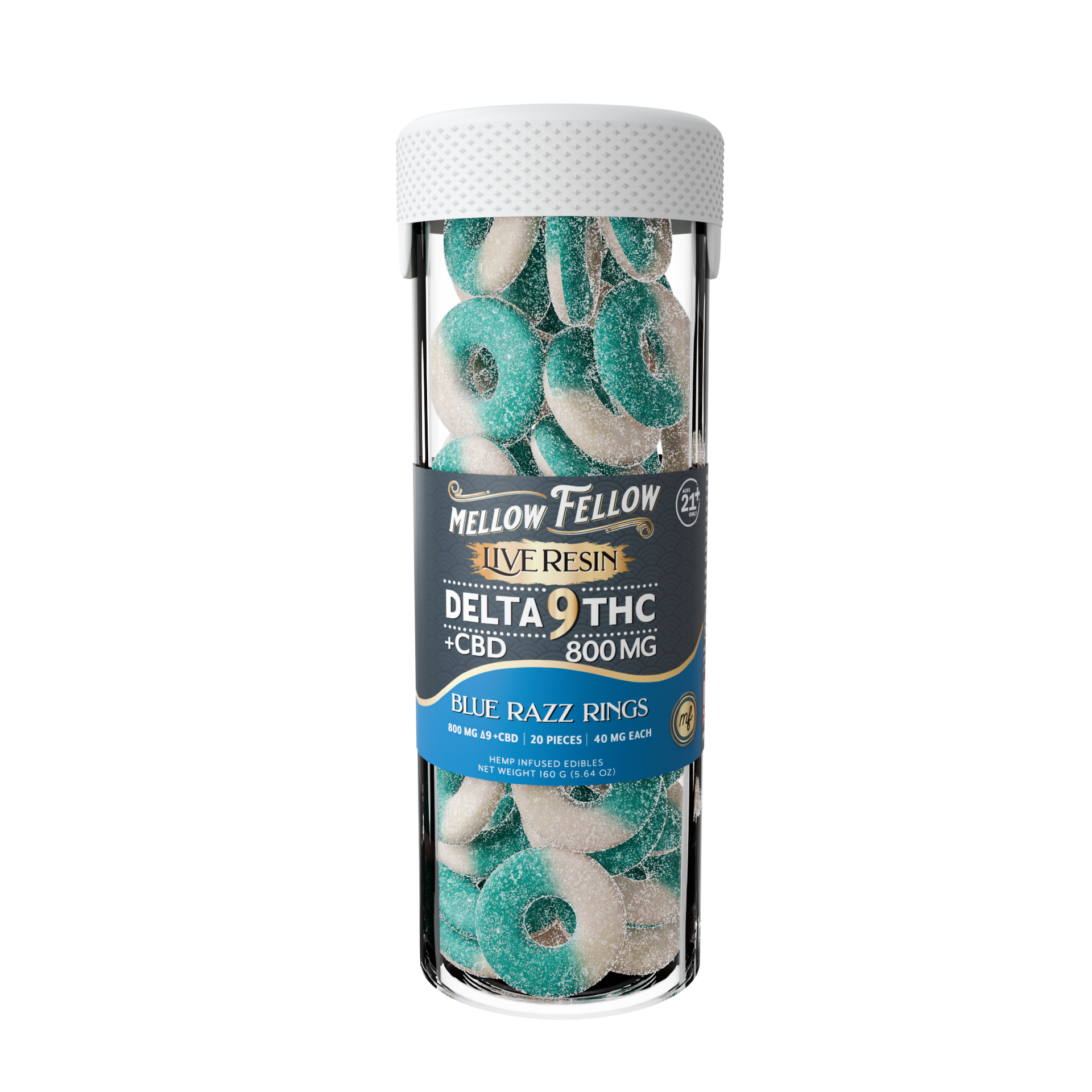
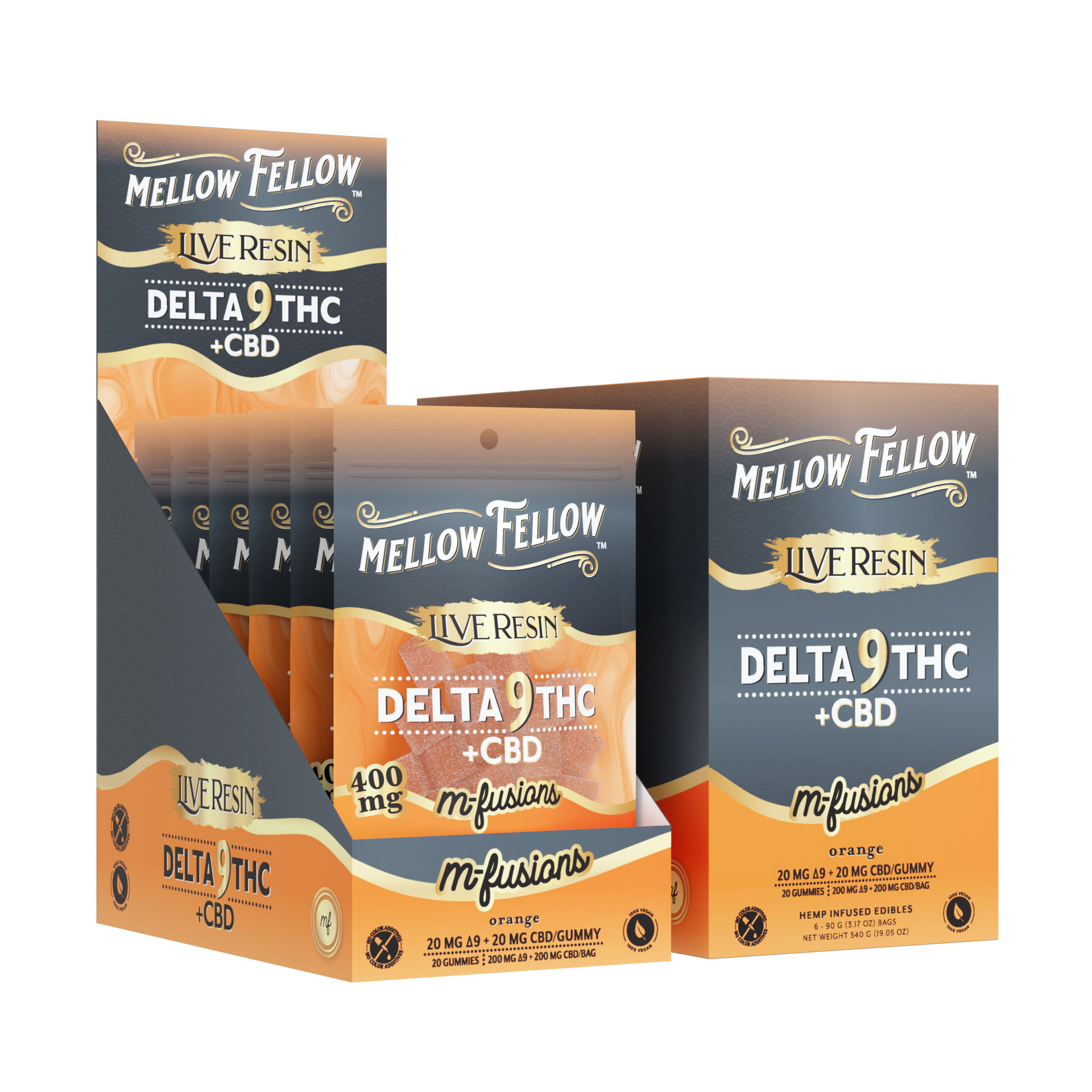
- Mellow Fellow Live Resin Delta 9 Edibles (800mg): Hemp-derived Delta 9 gummies meeting federal 0.3% threshold with full COA documentation
- Ghost Delta 9 THC Gummies (1000mg): Delta 9 + CBD blend demonstrating compliant formulation for balanced effects
- Twacked Tea Delta 9 Beverage (20mg): Hemp-derived Delta 9 drink format showing market diversity beyond edibles
Delta 9 Licensing
Selling Delta 9 legally comes down to understanding one thing: compliance depends on source, state law, and documentation. Hemp-derived Delta 9 remains accessible for most retailers, but regulations continue to evolve. Staying informed, verifying suppliers, and preparing for upcoming 2026 rule changes will keep your business positioned to sell confidently and remain compliant long term.
For wholesale buyers facing complex hemp regulations, Alpha Brands reduces compliance risk through transparent documentation and proactive regulatory support. When 2026 federal changes take effect, established suppliers with regulatory expertise will be critical partners for retailers adapting to new total THC definitions.
Frequently Asked Questions About Delta 9 Licensing
Do You Need a License to Sell Hemp-Derived Delta 9 THC?
In most states, you need a standard business license and resale permit but not a specialized cannabinoid or marijuana dispensary license to sell hemp-derived Delta 9 products (≤0.3% Delta 9 THC by dry weight). Exceptions include New York (Cannabinoid Hemp Retail License), Texas (DSHS registration), and states requiring dispensary licenses (Washington, Connecticut, Alaska).
What’s the Difference Between Hemp Delta 9 and Marijuana Delta 9 Licensing?
Hemp-derived Delta 9 (≤0.3% by dry weight) is federally legal and typically requires only standard business licensing. Marijuana-derived Delta 9 requires state-issued dispensary licenses with costs ranging from $5,000-$250,000+, extensive background checks, and 6-18 month application processes. Hemp Delta 9 can cross state lines; marijuana products cannot.
Can You Sell Delta 9 Online Legally?
Yes, hemp-derived Delta 9 can be sold online and shipped across state lines to states where legal. Online retailers must implement age verification, restrict shipping to compliant states, and maintain the same COA documentation as brick-and-mortar stores. Some states like New York and Texas require specific online retail licenses or registrations.
Is Delta 9 Legal to Sell in All 50 States?
No. Hemp-derived Delta 9 is federally legal but banned in Idaho, Wyoming, and North Dakota. States like Washington, Connecticut, and Alaska restrict sales to licensed dispensaries. Colorado, Minnesota, and Virginia impose dosage limits that effectively prohibit most commercial products. Check state-specific regulations before stocking Delta 9.
Do Smoke Shops Need a Special License to Sell Delta 9 Products?
In most states, smoke shops do not need specialized licenses beyond standard business licenses to sell hemp-derived Delta 9. Exceptions include New York (Cannabinoid Hemp Retail License), Texas (DSHS registration), and Florida (food establishment permit for edibles). States requiring dispensary licenses (Washington, Connecticut, Alaska) prohibit smoke shop sales.
What Compliance Documentation Do Retailers Need for Delta 9?
Retailers must maintain batch-specific Certificates of Analysis (COAs) showing Delta 9 concentration ≤0.3% by dry weight, contaminant screening, and lab accreditation. Additional requirements include compliant labeling (cannabinoid content, warnings, batch numbers), age verification systems, and supplier documentation (licenses, insurance, chain of custody).
How Will 2026 Federal Changes Affect Delta 9 Licensing?
November 2026 federal regulations will redefine hemp to include total THC (Delta 9 + THCa) at 0.3% and cap final products at 0.4mg total THC per container. These changes will not create new federal retail licenses but will trigger state licensing framework adjustments and require product reformulation. Retailers should partner with suppliers prepared for regulatory transitions.
What States Require Specific Licenses to Sell Delta 9 THC?
New York requires Cannabinoid Hemp Retail License ($300/location). Texas requires DSHS registration for manufacturers, sellers, and distributors. Florida requires food establishment permits for Delta 9 edibles. Washington, Connecticut, and Alaska require state cannabis retail licenses. Most other states permit sales under standard business licensing.
Can You Ship Delta 9 Across State Lines?
Yes, hemp-derived Delta 9 (≤0.3% by dry weight) can legally cross state lines under federal law. However, retailers cannot ship to states where banned (Idaho, Wyoming, North Dakota) or restricted (dispensary-only states). Retailers must verify destination legality and implement age verification for interstate shipments.
What Are Typical Licensing Costs for Selling Delta 9?
Hemp-derived Delta 9 licensing costs range from $50-$500 in most states (standard business license + resale permit + cannabinoid permits where required). Marijuana dispensary licenses cost $5,000-$250,000+ with extensive operational requirements. Online age verification services add $20-100/month. COA documentation and lab testing are typically supplier responsibilities.
Legal Disclaimer
This article provides general information about licensing requirements for hemp-derived Delta 9 THC products and is not legal advice. Cannabis and hemp regulations vary by jurisdiction and change frequently. Retailers should consult qualified legal counsel specializing in cannabis or hemp law before making business decisions. Alpha Brands does not provide legal advice regarding state or federal compliance. Information presented reflects laws as of February 2026 and may become outdated as regulations evolve.
Sources
- Change to Federal Definition of Hemp and Implications for Federal Enforcement | Congress.gov | Library of Congress
- Fla. Admin. Code Ann. R. 5K-4.034 – Hemp Extract for Human Consumption | State Regulations | US Law | LII / Legal Information Institute
- Washington Releases Rules Guidance on SB 5367
- Is THC Legal in Connecticut? | ConnecticutStateCannabis.org
- Alaska’s Court‑Backed Limit on Intoxicating Hemp: Licensed Marijuana Stores Only—Compliance Checklist for Fall 2025
- GA R&R – GAC – Subject 40-32-4 HEMP PRODUCT MANUFACTURERS, CONSUMABLE HEMP PRODUCT WHOLESALERS, RETAIL CONSUMABLE HEMP ESTABLISHMENTS, AND REGISTERED LABORATORIES
- The 2018 Farm Bill’s Hemp Definition and Legal Challenges to State Laws Restricting Certain THC Products | Congress.gov | Library of Congress
- Federal Register :: Implementation of the Agriculture Improvement Act of 2018
- Retailers & Distributors | Office of Cannabis Management
- Consumable Hemp Products – Cannabis & the Law – Guides at Texas State Law Library